Should Virginia Homeowners Replace Their Roof Before Going Solar?
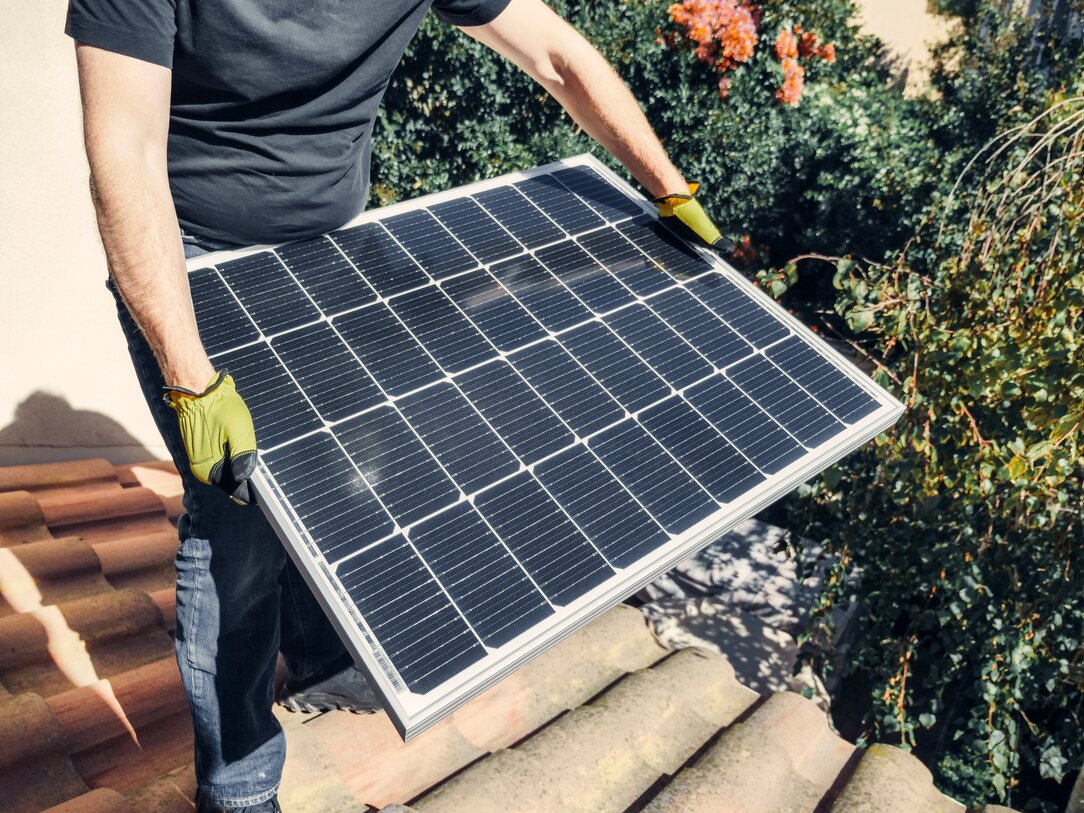
If you're thinking about solar panels for your Virginia home, you can't ignore your roof's condition. Installing solar on an aging or damaged roof could bring unexpected problems and costs down the line. A stable, well-maintained roof matters more than you might realize—not just for supporting panels, but for protecting warranties and maximizing savings. Before making a decision, you'll want to know which risks and advantages could impact your home's future.
Evaluating Roof Condition Before Solar Installation
Evaluating whether your roof is suitable for solar panel installation involves a comprehensive assessment of its age, structural integrity, and overall condition.
Solar panels are designed for longevity, typically lasting at least 25 years, which makes it essential to thoroughly evaluate older roofs before proceeding with installation.
If your roof is under ten years old and free of major issues, it is generally reasonable to proceed without a replacement. However, if your roof is older, or if there are visible signs of wear or damage, it may be prudent to consider repairs or replacement prior to installing solar panels for home Virginia.
For flat roofs, which are increasingly common in urban residential areas, there are specific considerations related to drainage and potential water pooling. Proper drainage is critical to maintaining the roof's integrity and preventing water-related issues that could impact both the roof and the solar installation.
Coordination between roofing and solar installation can lead to cost savings, as integrating these projects allows for more efficient use of resources and minimizes disruptions. Additionally, this approach can ensure that the solar system is installed correctly while benefiting from the structural support of an adequately conditioned roof.
Before making any decisions, it is advisable to gather comprehensive information and consult with professionals who can provide insight into the specific characteristics of your roof as they relate to solar energy systems.
Understanding both the advantages and disadvantages of installation will aid in making informed decisions.
Key Factors Reviewed During Roof Inspections
Before proceeding with the installation of solar panels, it is essential for professionals to conduct a thorough roof inspection. This process evaluates several critical factors to determine if the roof is suitable for supporting solar equipment.
Firstly, inspectors assess the roofing material's longevity and condition. Roofs that are over ten years old may not be reliable for solar panel installation, as aging can compromise structural integrity and increase costs associated with subsequent repairs or replacement.
The structural integrity of the roof is paramount. Inspectors must confirm that the roof can adequately support the weight of the solar panels without the risk of damage or failure. Any signs of water intrusion, such as leaks or dampness, are taken seriously, as they may indicate underlying issues that could impact both the roof and the solar system's performance.
Furthermore, the history of the roof, including any previous repairs or patchwork, is evaluated. Inspectors consider how these past interventions might affect the feasibility and efficiency of solar panel installation.
It has been observed that homes with robust roofing structures tend to yield better financial returns on solar projects, as they minimize the need for future maintenance.
Overall, a comprehensive roof inspection provides a critical foundation for making informed decisions regarding solar panel installations, balancing the potential benefits with the current condition of the roof.
Unique Challenges of Flat Roofs in Virginia and DC
Flat roofs are prevalent in many neighborhoods throughout Virginia and Washington, D.C., yet they come with specific challenges that homeowners should consider when contemplating solar panel installations. One significant issue is the accumulation of standing water, which can increase roofing costs and complicate energy projects. Flat roofs typically require regular maintenance to remain effective; issues such as seam separation can result in leaks, necessitating timely repairs.
Prior to installing solar panels, it's advisable to assess whether the existing roof is in good condition or if a replacement is needed. Engaging a qualified roofing professional for a pre-installation inspection is essential, as many homes experience hidden damage that may not be immediately visible.
The installation of solar panels on flat roofs may also require specialized mounting systems. While these systems have their benefits, they come with drawbacks and must be considered carefully. National advancements in innovation and policy may influence the installation process and costs, though outcomes can vary based on individual circumstances.
To make informed decisions regarding solar panel installations on flat roofs, homeowners may benefit from consulting resources from relevant offices, career platforms, and solar specialists. This approach can help identify cost-saving opportunities while ensuring that any installation is carried out efficiently and effectively.
Risks Associated With Installing Solar on Aging Roofs
Installing solar panels on aging roofs can lead to considerable financial implications. Roofs that are not structurally sound may not adequately support the additional weight and mounting systems required for solar panels. This can result in increased risks of water intrusion and other roofing problems, which may drive up overall project costs and could potentially void manufacturer warranties.
Moreover, an aging roof may necessitate premature replacement, thus incurring additional expenses related to the removal and reinstallation of solar panels. It is essential to assess the condition of the roof prior to installation to avoid these risks.
Research indicates that well-maintained roofs typically support solar installations effectively for many years. Homeowners should weigh the benefits and drawbacks of such an investment carefully.
Seeking guidance from reputable national resources and considering appropriate insurance policies can provide financial protection and facilitate a smoother installation process.
Advantages of Coordinating Roofing and Solar Services
Coordinating roofing and solar services offers several practical benefits that can enhance both the installation process and overall project management. By working with a single contractor, homeowners can mitigate accountability issues that may arise when dealing with multiple service providers. This integration can lead to improved waterproofing measures since both systems are designed to function harmoniously together, reducing the risk of water-related damage to the property.
Additionally, combining these services can provide a financial advantage. Homeowners can avoid the costly process of removing and reinstating solar panels when replacing an aging roof, which can be a significant expense. Research indicates that integrating roofing and solar installations can lead to savings that may reach up to $4,000 on average.
Moreover, this coordinated approach often results in better warranty coverage. When one entity manages both the roofing and solar components, the communication is typically clearer, facilitating the resolution of any issues that may arise. Homeowners are also able to assess the benefits and disadvantages of the investment with greater clarity, as the integrated project allows for a more comprehensive evaluation of costs and outcomes.
Finally, engaging in this dual investment supports broader national trends in renewable energy and energy efficiency policies, contributing to a more sustainable future. By considering these factors, homeowners can make informed decisions regarding their roofing and solar investments.
Roof Replacement Costs and Potential Savings
When considering the replacement of a roof prior to installing solar panels, the financial implications are significant. The average cost associated with roof replacement is approximately $10,000, whereas the installation of solar panels typically amounts to around $19,000.
Conducting both projects concurrently can yield cost savings; national data suggests that homeowners may avoid an additional $4,000 by combining these efforts rather than treating them as separate endeavors.
It is important to note that many roofs may not have the longevity required to support the operational lifespan of solar panels. If a roof is aged or exhibits signs of water damage, replacement may be necessary prior to solar installation to ensure the system's effectiveness and durability.
Additionally, recent trends in policy innovations and installer partnerships are contributing to reduced costs for solar panel installations, thereby enhancing access for homeowners seeking long-term energy savings.
In summary, careful consideration of roof condition and potential savings is essential for homeowners contemplating both roof replacement and solar panel installation.
Financial Incentives and Home Value Impact
Replacing an aging roof prior to the installation of solar panels can provide significant financial advantages and enhance your property’s market value. Older roofs, particularly those with water damage or structural issues, typically require replacement to support new solar technology effectively.
National policies currently encourage innovation in renewable energy, offering a federal tax credit of 26% for solar panels installed on qualifying roofs during the years 2021 and 2022. This incentive can result in substantial savings on installation costs.
Additionally, some roofing companies may provide discounts, often around 30%, when re-roofing is bundled with solar panel installation. This combined approach addresses immediate roofing needs while also improving the overall energy efficiency of the home.
According to real estate data, such enhancements can increase a home's value by approximately $15,000. This value addition is an important consideration for homeowners contemplating upgrades to their property through solar energy solutions.
Financing and Affordable Solar Options
Managing the costs associated with solar energy installation and roof replacement in Virginia can be approached through various financing options tailored to homeowners' needs. Financing solutions such as loans, solar leases, and Power Purchase Agreements (PPAs) are available. These options facilitate the ability to pay for the energy produced by solar systems rather than incurring a significant upfront cost.
For homeowners needing roof replacement, collaborative efforts between roofing and solar installation companies may yield price reductions, potentially lowering the overall expenditure required for both projects.
Furthermore, the availability of federal tax credits and state-specific programs can further mitigate initial costs, allowing homeowners to invest in solar panels that are designed for longevity.
On average, homeowners may expect annual savings of approximately $4,000 as a result of these installations; however, this figure can vary based on individual energy consumption patterns and local energy rates.
It is advisable to consider both the advantages and disadvantages of each financing option to determine the most suitable choice for a specific project.
Environmental Benefits of Integrated Projects
Integrating roof replacement with solar panel installation offers several environmental advantages and operational efficiencies. This approach can contribute significantly to the national energy policy objectives, aiming for an annual target of 70 GW of solar energy.
By incorporating these systems during roof replacement, it is possible to achieve substantial gains, potentially adding up to 30 GW each year through advancements in technology and implementation strategies.
The selection of reflective roofing materials alongside solar panels can mitigate water runoff issues, further enhancing energy efficiency. When undertaking these coordinated projects, there is a notable reduction in material waste, which also results in lower overall costs for the homeowner.
Additionally, integrating these projects may lead to an increase in property value, with estimates suggesting an average rise of approximately $15,000.
This integrated approach not only addresses immediate environmental concerns but also provides tangible benefits in terms of project efficiency and financial return. It is advisable to evaluate both the advantages and disadvantages of this strategy to make an informed decision regarding your project.
Long-Term Considerations for Roofing and Solar Integration
When considering the integration of roofing and solar panels, it is essential to evaluate the long-term implications of each component's lifespan.
Solar panels are generally designed with a lifespan of approximately 25 years, while roofing materials can vary significantly; some roofs may require replacement as early as 15 years, while others may last for 30 years or more depending on the material and environmental conditions.
If your existing roof is nearing the end of its useful life or shows signs of water damage, it is advisable to address any roofing issues prior to solar panel installation. This proactive approach can help to avoid the added costs associated with panel removal and reinstallation should the roof require repair or replacement in the future.
Innovation in roofing technology, such as solar shingles, offers an alternative that integrates both functions into a single system. However, it is crucial to weigh the higher initial costs against the potential benefits, including aesthetics and space efficiency.
It is advisable to consider the average lifespan of both roofs and solar panels within the context of local building regulations and policies. Consulting with professionals and reviewing data from national sources can provide insights into the best practices for your specific situation.
A coordinated approach to planning and installation is likely to yield financial savings and enhance the overall value of the property.
Conclusion
Before installing solar panels, it's crucial you assess your roof’s condition to avoid future headaches and get the most from your investment. Replacing an aging roof at the outset ensures your panels will perform efficiently, and you’ll benefit from possible incentives and long-term savings. Don’t overlook local regulations—consult a professional to make a well-informed decision. By taking proactive steps, you’ll maximize your home’s energy production and value while minimizing costly disruptions down the road.
Hosted by